
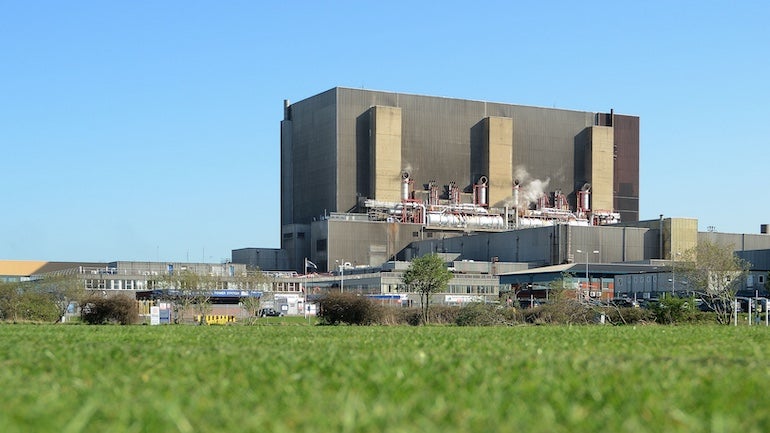
EDF has extended the operating lives of the Heysham 1 and Hartlepool nuclear power stations by two years, allowing both plants to continue generating electricity until March 2030.
The decision was approved by EDF’s executive and licence board on 22 July 2026, replacing the previous plan for both Advanced Gas-cooled Reactor (AGR) stations to cease generation in March 2028.
The extension affects Heysham 1 in Lancashire and Hartlepool in Teesside, two of the UK’s remaining AGR nuclear stations.
EDF estimates the two reactors could produce an additional 28 TWh of low-carbon electricity during the extension period.
John Munro, managing director of nuclear operations at EDF, said: “We have been clear it is our ambition to generate from these stations for as long as it is safe and commercially viable to do so. It is great to be able to confirm a further two-year extension for Heysham 1 and Hartlepool.”
He added: “The AGR stations have been the backbone of secure, zero carbon generation in the UK for five decades. The nuclear fleet also has a key role in maintaining grid stability, which is so important as the overall system becomes led by renewables.”
The decision follows a technical review of the stations, including assessments of boiler condition, graphite core performance, supply chain resilience and workforce planning. While the revised operating dates represent EDF’s current expectation, the company said they remain subject to ongoing inspections and regulatory oversight.
Extending the lives of the stations will help maintain domestic generating capacity during a period of increasing electricity demand and continuing renewable energy deployment. EDF estimates the plants will still provide around 12% of the UK’s nuclear output in 2028, while avoiding gas-fired generation equivalent to approximately 25 liquefied natural gas cargoes each year of the extension.
The announcement continues a series of lifetime extensions for the UK’s AGR fleet. When EDF acquired the stations in 2009, all seven AGR plants were expected to close by 2023. Four remain in operation, while the others have entered defuelling or decommissioning.


