SSE has selected Siemens Energy as preferred supplier for wind turbines and offshore substation platforms for its 1.4 GW Berwick Bank B offshore wind project in the outer Firth of Forth.
The project, around 38km off the Scottish coast, forms part of the wider 4.3 GW Berwick Bank development. If fully built, Berwick Bank could become the world’s largest offshore wind farm, with capacity equivalent to more than 6% of current UK electricity demand.
The Siemens Energy appointment covers two key packages for Berwick Bank B: the offshore wind turbines and substation platforms. However, the selection is not yet a final contract. SSE must first reach a final investment decision, expected in late 2027, with the final supplier award also still to be completed.
Subject to approval, preparatory offshore construction could begin in 2028. Turbine and offshore substation installation is currently planned to run from 2030 to 2032.
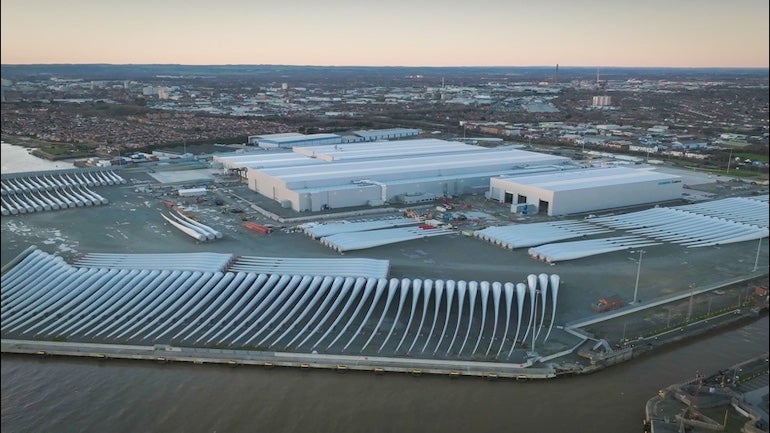
The proposed delivery model would draw on Siemens Energy’s UK manufacturing and engineering network. Turbine blade manufacturing in Hull would be combined with engineering and project delivery in Manchester and project delivery and assembly activities in Newcastle. Work in Scotland would include engineering, project delivery and servicing.
SSE chief executive Martin Pibworth said the project could connect major offshore generation with a broader domestic industrial base.
“Berwick Bank is a fantastic opportunity for the UK. And what’s really exciting is how far the benefits reach,” he said.
Siemens Energy’s UK managing director Darren Davidson said the project would bring together capabilities developed across its UK operations, from “turbine blade manufacturing to engineering, project delivery and assembly”.
The latest supplier selection follows SSE’s appointment of Seaway7 as preferred supplier for the engineering, procurement, construction and installation scope for Berwick Bank B.
The project follows the growing pipeline of large UK offshore wind developments, with new projects adding significant turbine capacity and creating demand across the domestic supply chain.
With the project still awaiting its investment decision, the focus now shifts towards finalising its supply chain and securing the approvals needed to move the 1.4 GW scheme into construction.


