
Real-time information about what’s happening in the world is just a few clicks away these days, providing us with the very latest insights as events are unfolding. For those who want to be in the know, a wealth of information is readily available at our fingertips. Yet, for those who NEED to be in the know, like grid operators, the same readily available intelligence hasn’t always been available; until now. Innovative technology using hydrogen sensing monitors is available and works as a cost-effective solution for deciding the useful life of a transformer, providing grid operators with critical information before it’s too late.
Growing demand; outdated solutions
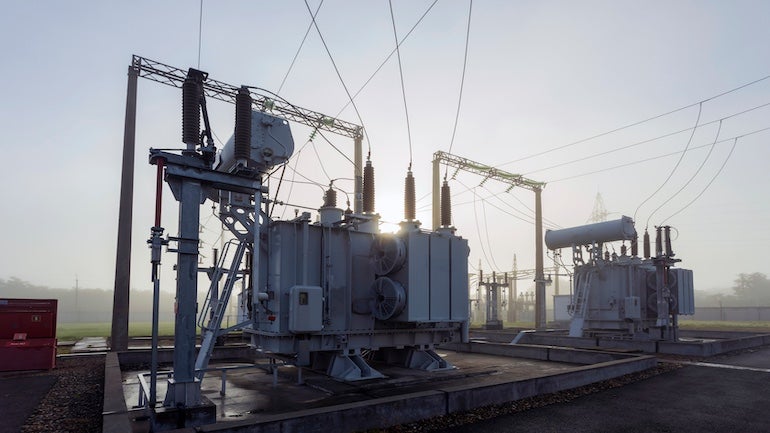
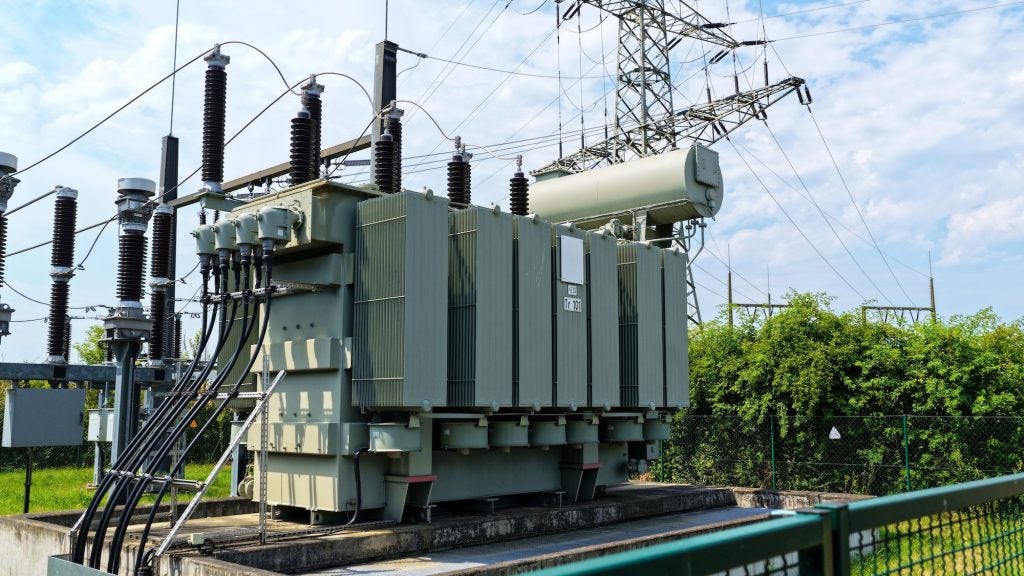
One of the costliest and most catastrophic points of failure in a grid is the transformer. For too long, grid operators have relied on months-old data to assess transformer health. These data points offer a single-point-in-time snapshot that misses critical day-to-day and seasonal changes. It’s like using last week’s weather report to decide if you need an umbrella today. Currently, most companies are diagnosing transformer faults with dissolved gas analysis (DGA). Typically, a DGA test occurs once a year. A technician manually draws an oil sample from the transformer, sends it to a lab, and gets the results based on how the asset looked on the day of the test. For the remaining 364 days of the year, they’re essentially blind.
Outdated intelligence means operators are making critical business decisions based on a “wait and see” approach to when a transformer might fail. This risks service outages and costly downtime. It also exposes operators to reputational damage that can directly affect regulatory standing and future access to capital. Growing demand on an ageing fleet is compounding the problem. Electrification, largely driven by AI, data centres and renewable energy mandates, has led to a rapid expansion in the transformer market in advanced economies.
According to the International Energy Agency, global electricity demand is forecast to rise 3.6% annually up to the end of the decade, with advanced economies seeing a massive surge after 15 years of energy stagnation. The trend towards the “electrification of everything” has left the transformer market struggling to keep pace.
Current lead times for both step-up transformers and large power transformers average between two to three years, according to Wood Mackenzie, and transformer prices have almost doubled in the USA since 2020. Operators are increasingly resorting to life extension programmes to counter long lead times and postpone large capital expenditures on new equipment. Describing the situation as precarious is an understatement. In both Europe and the United States, the average age of the transformer fleet is between 35 and 40 years, well beyond the 25 to 30 year design life. Additionally, transformers are under increased strain with the shift to dynamic, bidirectional loads from renewable power sources.
Sensing the answer
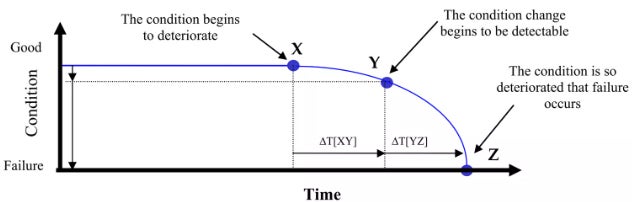
The changing electricity landscape requires fresh solutions and foresight to anticipate what comes next. The availability of real-time data makes for better decision making when predicting which transformers need to be taken off line, which can run safely, and which ones need replacing altogether. It’s the opposite of the “wait and see” approach which wagers a firm’s reputation and millions of dollars in potential losses by guessing which ageing asset triggers a failure that makes front page news. Thankfully, most transformer failures don’t happen overnight; they occur gradually with little or no external signs. Incipient faults that emerge between DGA tests tend to worsen over weeks and months before they’re ever detected. Yet, that doesn’t mean they’re undetectable. In every case of failure of an oil-immersed transformer, newly forming faults generate heat or electrical stress, which breaks down the insulating fluid and produces gas. The very first gas to appear in this process is hydrogen.
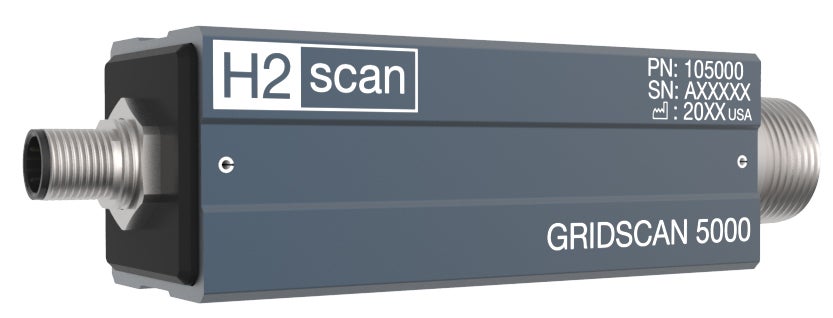
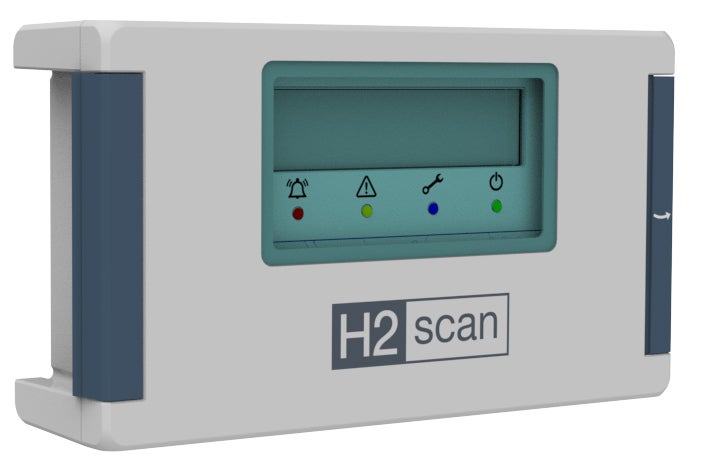
Solid-state hydrogen detection device and data display. Source: H2scan
The detection of hydrogen is the most reliable early warning sign of internal transformer faults. More than temperature monitoring, water or carbon dioxide detection, hydrogen sensing has been shown to consistently identify the earliest signs of insulation breakdown that can cascade into catastrophic failure. Unlike other gases that are only produced during specific faults, an IEEE Transactions on Dielectrics and Electrical Insulation publication reported that hydrogen was present in nearly every transformer fault type, from partial discharge and overheating to arcing, and even low-energy faults.
Unlocking always-on intelligence
Hydrogen sensing has become a critical tool for risk management and situational intelligence. An unplanned outage at a large-scale industrial enterprise typically costs $9 000 per minute—with some sectors reporting more than double that amount. When the average outage lasts between 5 to 59 minutes, the losses can easily add up to over a half million dollars per incident. Avoiding that penalty depends on a proactive approach. Rather than waiting for invisible faults to cascade into failures, real-time asset monitoring can turn an unplanned outage into a “make before break” transition. Today, several major transformer manufacturers are incorporating hydrogen sensing technologies into a suite of predictive tools and multi-gas monitors. However, millions of older assets that face the greatest risk of failure lack these capabilities. Additionally, while multi-gas monitors provide critical information, the cost is often ten times that of a single solid state hydrogen sensor, which can last up to ten years with recalibration. For large power plants, the investment in hydrogen sensing amounts to a rounding error to provide system-level protection for a multimillion-dollar facility.
Situational intelligence requires real insight and reliable inputs. Power system managers are increasingly looking for ways to leverage data to improve operations, deliver financial returns and stay ahead of risk. While today’s always-on hydrogen sensors are largely designed to deliver urgent notifications, they can be integrated into smart grid architectures, feeding real-time data into asset performance and fleet management systems, as well as digital twins. At a time of growing energy consumption, ageing infrastructure and fragile supply chains, there is little room for guesswork. History is great for context, but it’s the wrong guide for real-time management of critical infrastructure. Operators are now moving into a digital, high-stakes environment. They need predictive tools that allow them to act decisively and before an unseen fault becomes a catastrophic failure.


