
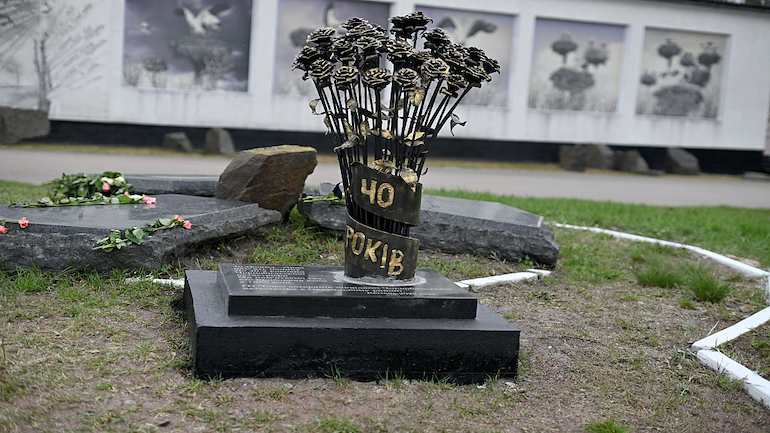
Today marks 40 years since the Chornobyl nuclear disaster, the worst accident in the history of civilian nuclear power, with its legacy still influencing energy policy, safety standards and public perception worldwide.
The explosion at Reactor 4 of the Chornobyl Nuclear Power Plant in 1986 released large quantities of radioactive material across Europe, prompting mass evacuations and long-term exclusion zones that remain in place today. More than 100,000 people were displaced in the immediate aftermath, with wider health and environmental impacts continuing to be studied.
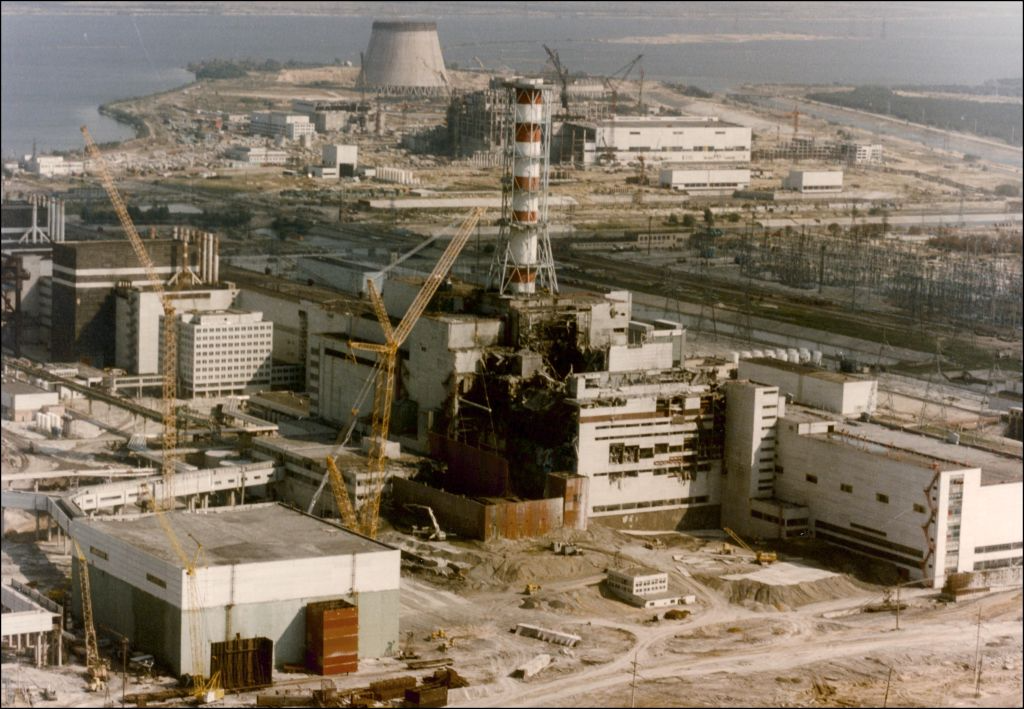
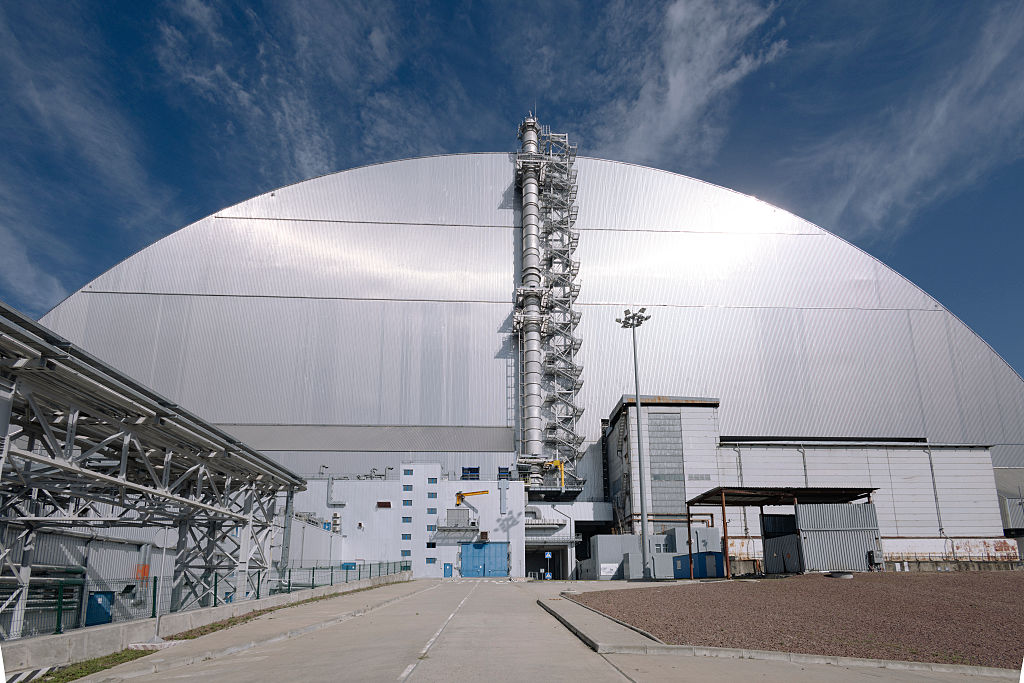
In the decades since, the site has undergone significant remediation. A New Safe Confinement structure, completed in 2016, now encloses the damaged reactor, designed to contain radiation and enable the gradual dismantling of the original sarcophagus. However, challenges persist in managing contaminated materials and maintaining the site amid ongoing geopolitical tensions in the region.
Chornobyl’s legacy has driven major reforms in nuclear safety, including strengthened international cooperation, stricter reactor design standards and enhanced emergency response frameworks. Yet it also continues to shape public scepticism toward nuclear energy in some markets, even as others revisit nuclear as a low-carbon power source amid the energy transition.
As countries weigh the role of nuclear in achieving net-zero targets, the anniversary serves as a reminder of both the risks of nuclear power and the importance of robust safety culture and oversight.


