
For decades, the equation seemed simple. When refineries needed to drive large compressors, they turned to steam turbines. Numerous large and small compressor services are in operation in refineries, typically all of them driven by steam turbines: steam is available in every refinery, so the choice is simple. Proven, powerful and deeply embedded in industrial infrastructure, these machines became synonymous for reliable operation.
But the energy landscape that shaped those decisions is changing significantly, and speed of change will accelerate even more in the years to come.
The energy landscape that once shaped these decisions is changing rapidly. Rising energy costs, stricter emissions regulations, and ambitious decarbonization targets are making industrial electrification a business imperative. One technology is gaining momentum: turbine replacement. By replacing steam and gas turbines with advanced electric drive systems, operators can significantly improve energy efficiency, reduce maintenance requirements and lower CO₂ emissions.
What makes this trend particularly significant is its immediacy. Unlike many decarbonization technologies that remain years away from large-scale deployment, required technology and experience for turbine replacements is available now. It can be implemented using proven technologies and, in many cases, integrated into existing facilities during planned maintenance shutdowns, including required high level of reliability as with previous drivers.
With more than 25 years of experience and over 70 turbine replacement projects delivered worldwide, Innomotics has helped transform turbine replacement from a niche engineering exercise into a scalable decarbonization strategy. Working alongside compressor OEMs, EPC contractors and end-users, the company has developed specialized expertise in replacing steam and gas turbines with electrified drive trains while preserving existing process infrastructure.
A recent project at the INA Rijeka Refinery in Croatia illustrates both the complexity of these projects and their growing strategic importance.
Located on the Adriatic coast, the refinery is undergoing a major transformation program designed to improve competitiveness, increase energy efficiency and reduce environmental impact. As part of this effort, INA partnered with Innomotics to replace four steam turbines driving critical compressor applications across the refinery.
The decision reflected a broader shift taking place throughout the industry. For years, turbine replacement was primarily associated with maintenance, reliability or lifecycle considerations. Today, it is increasingly being evaluated through a different lens: decarbonization.
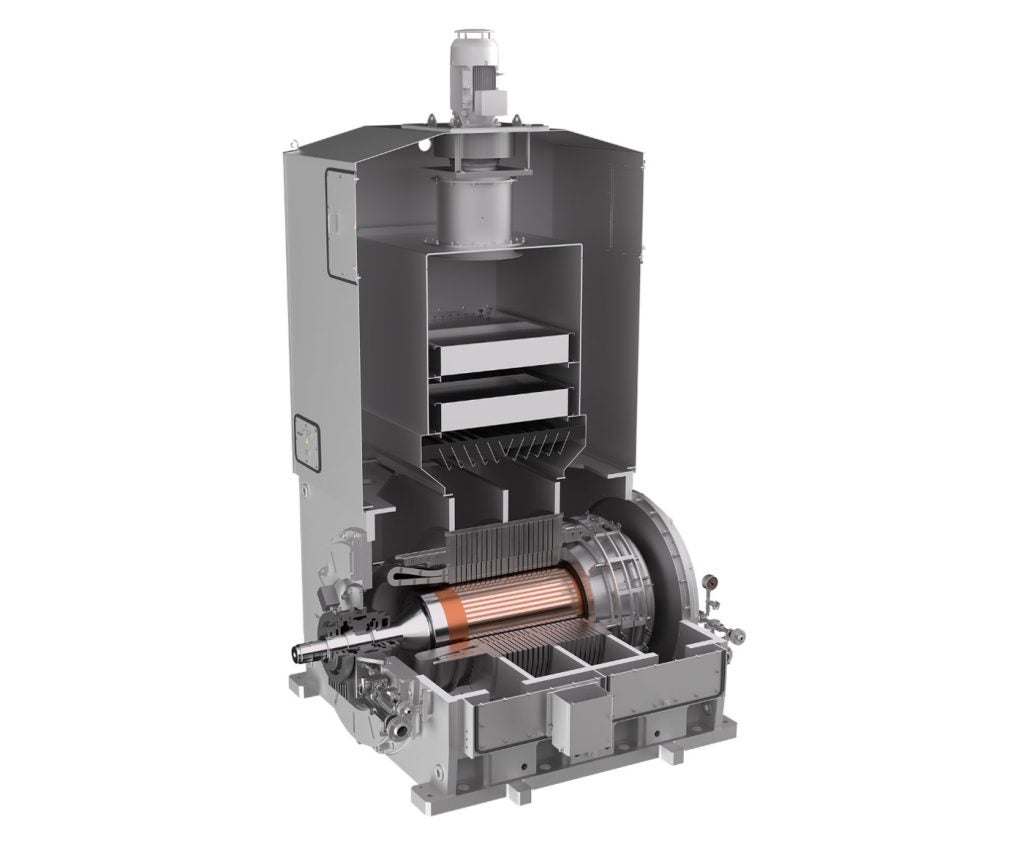
The four replacement systems supplied by Innomotics combine HV HS induction motors with Perfect Harmony GH180 medium-voltage variable frequency drives. Installed across hydrocracking, platforming, gas concentration and fluid catalytic cracking units, the systems operate at speeds of up to 12,000 rpm while delivering outputs ranging from approximately 1 MW to more than 6 MW.
The engineering challenge extended far beyond simply exchanging one machine for another.
Every compressor train presents a unique combination of speed requirements, foundation constraints, vibration characteristics and mechanical interfaces. The success of a turbine replacement project depends on integrating a completely new drive concept into an existing process environment while maintaining reliability and minimizing downtime.
“We are very proud that our solutions have delivered a wide range of benefits to our customer, including energy savings, reduced CO₂ emissions, faster and safer commissioning, increased plant availability and reliability, and a very attractive return on investment,” explains Marko Nikolic, Head of Systems and Solutions at Innomotics Serbia. “By minimizing construction work and utilizing existing foundations, the systems could be commissioned within a very short timeframe.”
This ability to modernize critical assets without rebuilding entire process units is one of the key reasons turbine replacement is attracting growing interest. Through detailed feasibility studies and close collaboration with OEMs and EPC partners, electrification can often be achieved within the footprint of existing turbine installations.
The benefits extend well beyond emissions reduction.
Electric drive systems offer significantly better overall efficiency, precise speed control and lower maintenance requirements than conventional turbine-based arrangements. They also eliminate many of the auxiliary systems associated with steam generation and turbine operation, simplifying maintenance and reducing operational complexity.
Reliability, however, remains the decisive factor for many operators.
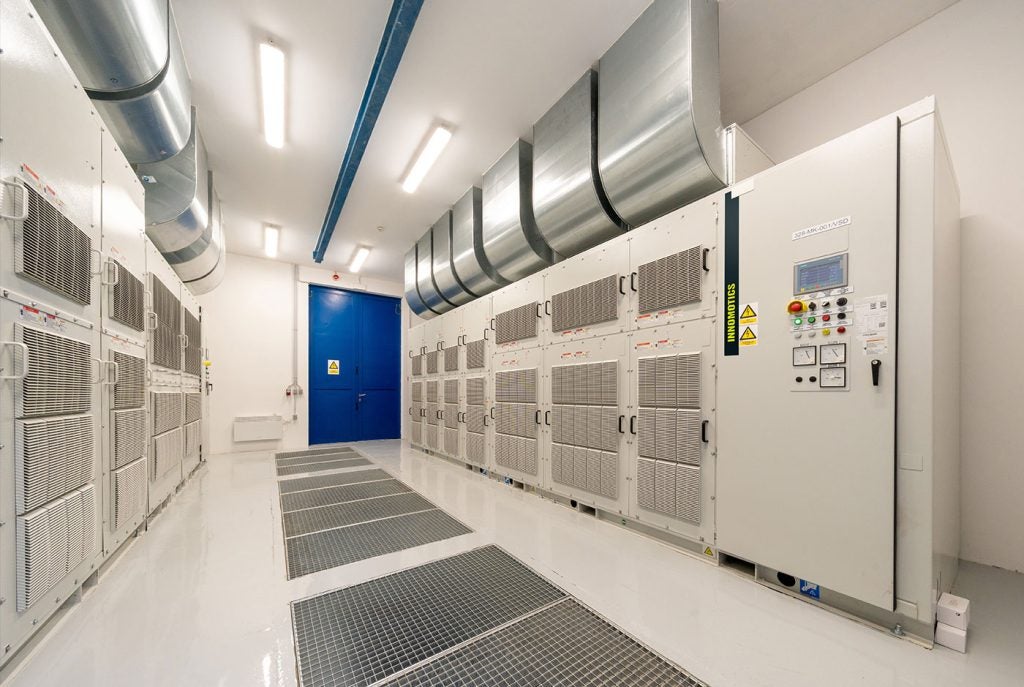
“The big advantage of our drives is the cell bypass functionality and redundant power cells,” says Nebojsa Pavlov, Commissioning Engineer at Innomotics. “This provides very high reliability and availability while also enabling significantly faster start-up compared with conventional turbine systems.”
Besides the drive system, the motor also contributes significantly to the plant’s high reliability. Featuring Innomotics’ solid-shaft technology, the high-speed motor differs fundamentally from conventional designs. Its rotor is machined from a single solid piece, making it resistant to rotor aging as well as mechanical and thermal stresses caused by load and temperature cycles. This ensures reliable operation, consistently low vibration levels, and eliminates the need for rotor rebalancing during the operational lifetime.
At Rijeka, the results have been substantial. Energy consumption was reduced, while approximately 96,000 tons of direct and indirect CO₂ emissions were avoided. High-pressure steam demand was reduced by around 25%, and the refinery also benefited from lower maintenance requirements and improved operational performance.
The significance of projects such as INA in Rijeka extends far beyond a single refinery.
Across the industrial sector, operators are searching for practical pathways towards lower-carbon operations while protecting competitiveness and extending the life of existing assets. Turbine replacement is increasingly proving that decarbonization does not always require entirely new facilities or breakthrough technologies. Sometimes, meaningful progress comes from rethinking machines already at the heart of the process. And with a track record built across more than seven decades of combined project experience and execution in some of the world’s most demanding industrial environments, Innomotics helps define what that transition looks like in practice.
Find more information here and get in touch with us: Turbine Replacement | Innomotics


