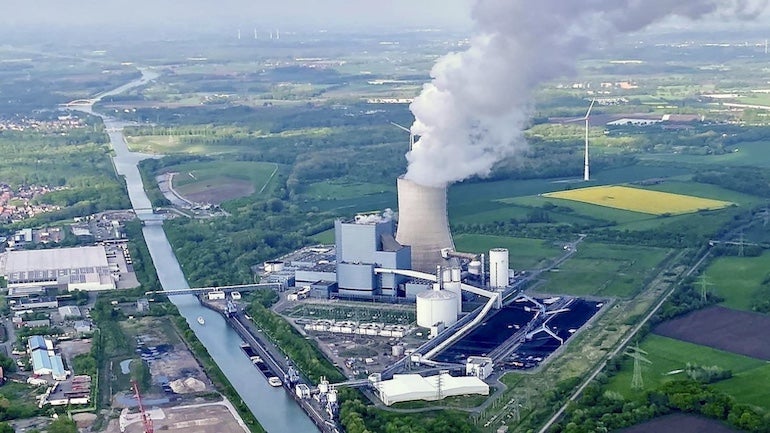
On 21 July, Germany’s Bundesnetzagentur (federal network agency) launched the long awaited call for tenders to ensure security of supply under the Electricity Supply Security and Capacity Act (StromVKG). Bidding in this first auction for long-term capacity was due to end on 8 September 2026. Launch of a second auction is planned before year end.
With StromVKG, “the legislators have created a framework to ensure that the electricity market continues to have sufficient guaranteed capacity in the future,” said Klaus Müller, president of the Bundesnetzagentur. “This is of major importance for security of supply and covers periods in which too little electricity is generated from renewables. The Bundesnetzagentur prepared thoroughly for this even before the legislation was adopted. We will now hold the auctions with the utmost care, but swiftly. Our objective is to enable construction of the first plants as soon as possible.”
Plants that can provide secure electricity over relatively long periods are eligible to participate. This means that grid security can be maintained over extended periods without input from renewables and without electricity imports. The participating power plants must meet specific requirements regarding their location and generating technology characteristics, for example by providing inertia to secure network integrity, even at times when they are not feeding electricity into the network.
A total of 4500 MW (on a ‘reduced capacity’ basis) was put out to tender for the first auction. The reduced capacity is calculated using a factor laid down by law for the auctions, which evaluates a power plant’s actual contribution to security of supply and varies depending on the technology. Reduced capacity is calculated by multiplying the bid nominal capacity by a technology-specific reduction factor.
If a bidder is awarded a tender, they are obligated to maintain and provide the generating capacity for a period of 15 years. In return, they receive remuneration on an annual basis. The amount of remuneration is determined through competition. The maximum subsidy level in the first round is 244 000 euros per megawatt (reduced capacity basis) per year.
In the auctions, only the most cost-effective bids guaranteeing security of supply can be tendered, says Bundesnetzagentur, noting that “with regard to long-term capacity, a ‘regional control’ component is in place to ensure that expansion is beneficial to the system.” Regional control is not triggered until power plant projects in northerly networks have been awarded contracts for one third of the volume put out to tender. Only then will bids for power plants in southerly networks receive a bonus, meaning that a deduction of €16 000 per megawatt of reduced capacity per year will be taken into account in the ranking.
Bids for the first round were required to be submitted electronically by midnight on 8 September 2026 using the internet platform set up by the Bundesnetzagentur for this purpose. As part of its announcement of the auction, the Bundesnetzagentur laid down binding rules for the formats and forms to be used for submitting bids (see www.bundesnetzagentur.de/1111198).
The successful bids in the first auction will be announced by 3 November 2026. Dates of the second auction will be announced on 10 November 2026.
The auction system is likely to favour gas generation (capable of being converted to run on green hydrogen in the future). Gas generation is seen as crucial in enabling Germany to phase out coal.
“The law to set up the auctions was debated for years,” notes Clean Energy Wire. “The government has argued that investment in power plants needed to secure supply has been hesitant – or in recent years, absent altogether – making state support necessary.” Plans for auctions were delayed several times, not least due to the breakup of Germany’s previous coalition government.
Looking beyond the currently planned auctions, the German government hopes to introduce a capacity market by 2027 with a view to addressing supply security from 2032.
Meanwhile, a bullish Markus Krebber says RWE is “well prepared” for the current auctions, with over 3 GW of new gas generating capacity ready to build, and “will participate with attractive projects,” noting that “if we are successful, we will be able to begin construction of the plants immediately.”
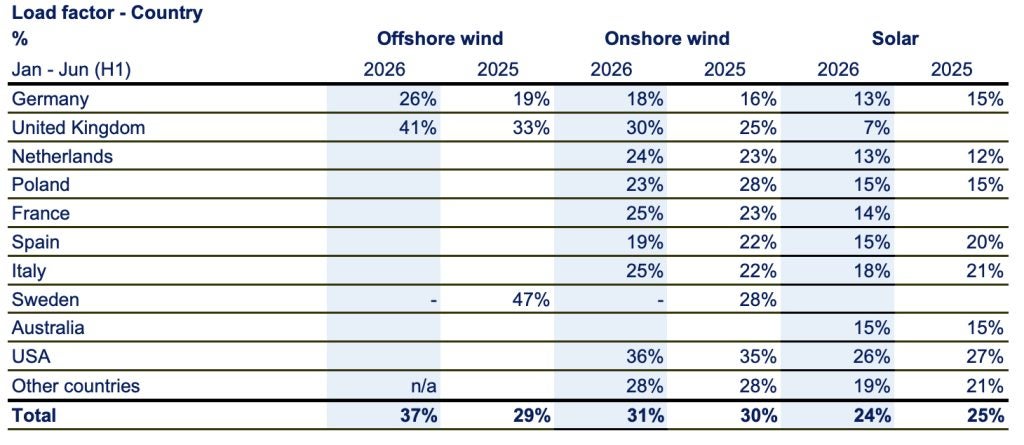
RWE has recently reported strong first-half results for 2026, with one driver being improved wind conditions in Europe, as reflected in load factors (see table above).
As is to be expected, Uniper is also planning to participate in the StromVKG auctions. May 2026 saw demolition of the unit D and E cooling towers at the Scholven hard-coal-fired power plant, Gelsenkirchen, North Rhine-Westphalia, paving the way for a hydrogen-capable gas fired combined cycle power plant to be located on the site (Scholven 2).
Cooling towers for units G and H at Scholven were demolished in 2008 and 2015. The cooling tower for unit F was demolished in 2025, along with the turbine foundation in the F machine room, as well as the F boiler house and deNOx system.
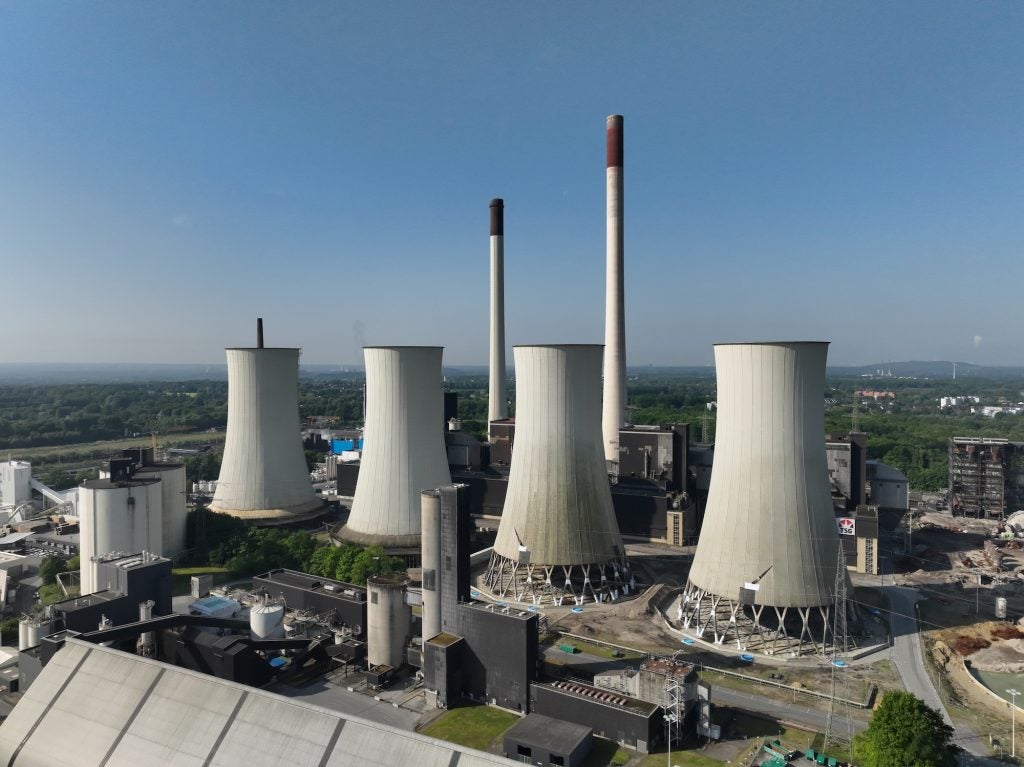
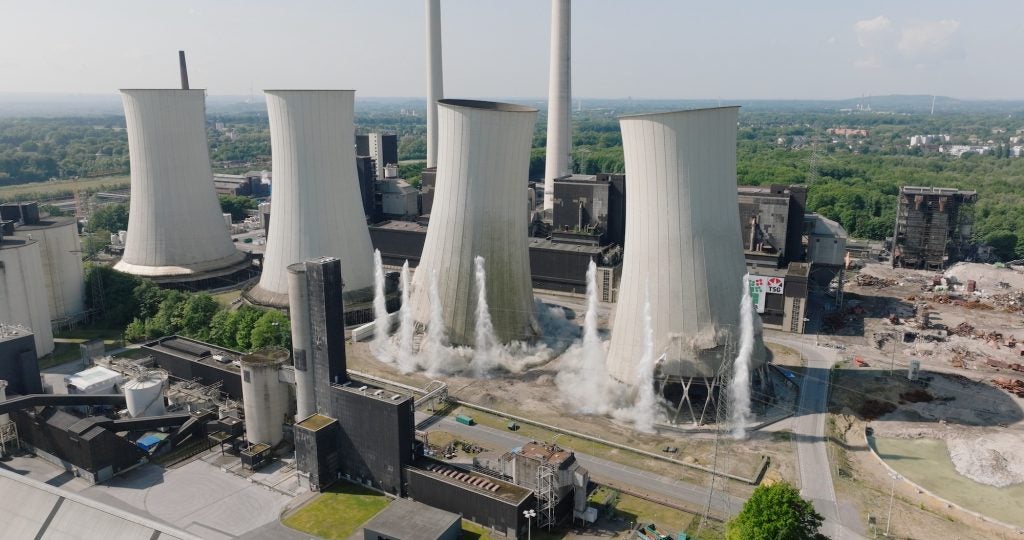
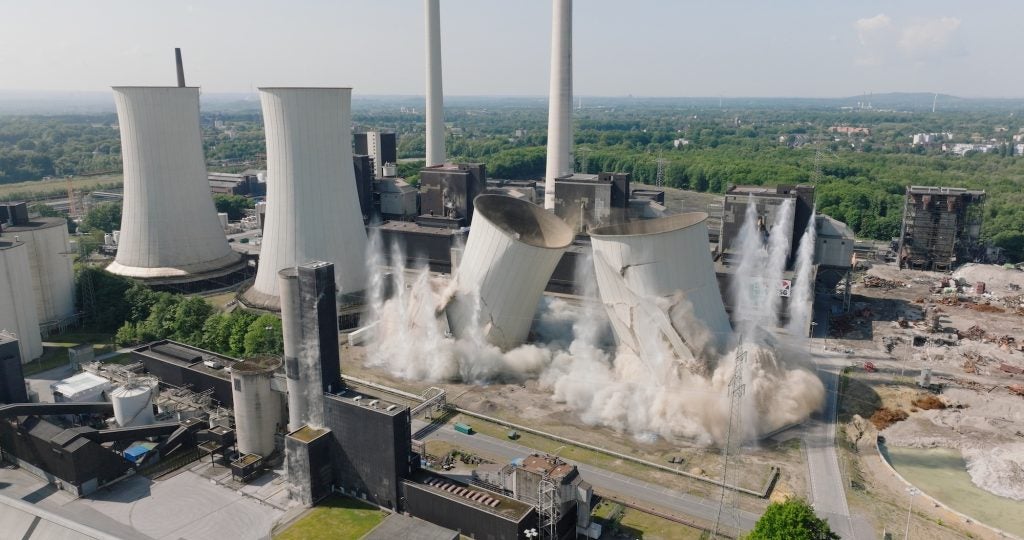
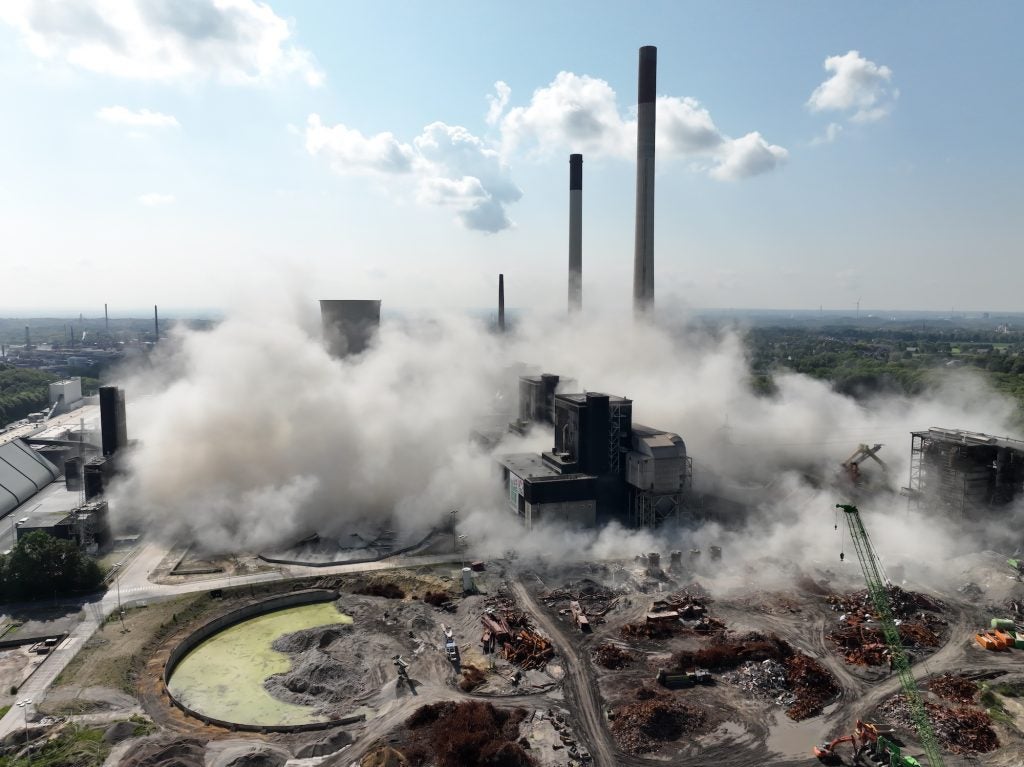
As well as the planned hydrogen ready combined cycle power plant, another key transformation project at the Scholven site is a demonstration ammonia cracker, being constructed by Uniper in co-operation with thyssenkrupp Uhde.
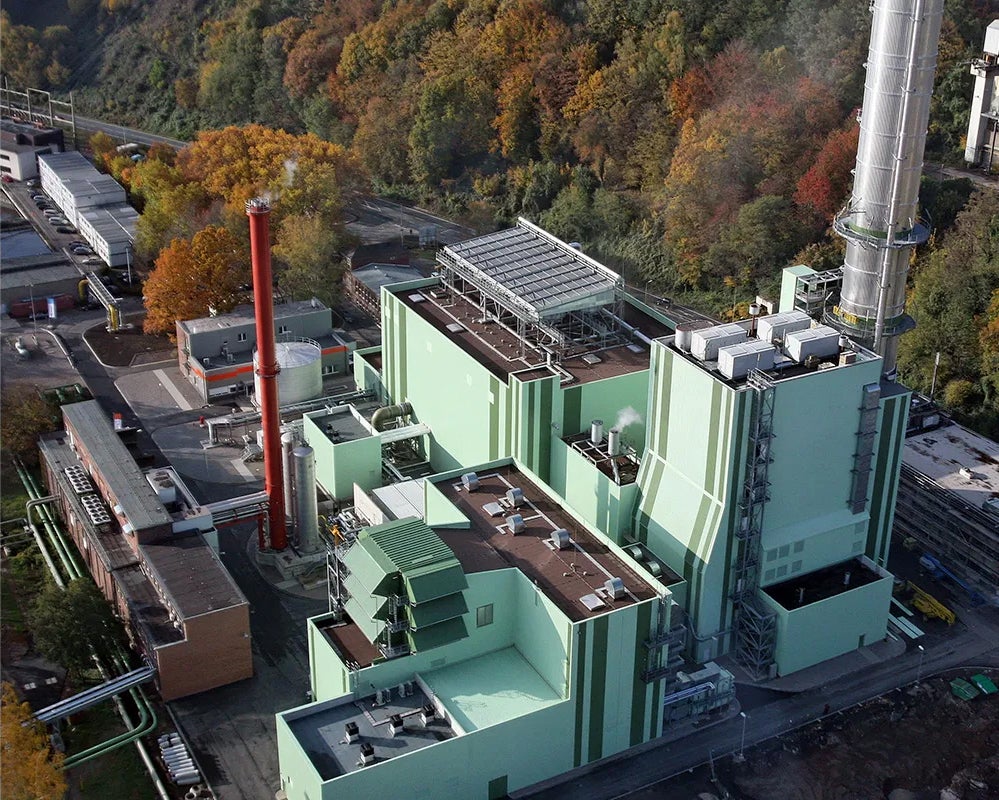
Uniper is also planning a hydrogen ready combined cycle power plant at its Staudinger site. This facility, Staudinger 8, with an installed capacity of up to 890 MW, is seen as another potential participant in the StromVKG auction process. It has received preliminary approval from the Darmstadt regional authority and the first partial permit application is planned for Q3 2026, with the second partial permit, for construction and operation of the plant, to follow in Q2 2027.
Uniper sees the new combined cycle power plant as a means of securing Staudinger’s “long-term role as a key energy hub in the Rhine-Main region,” contributing flexible, dispatchable generating capacity, which “Germany’s power system needs for a successful energy transition.”
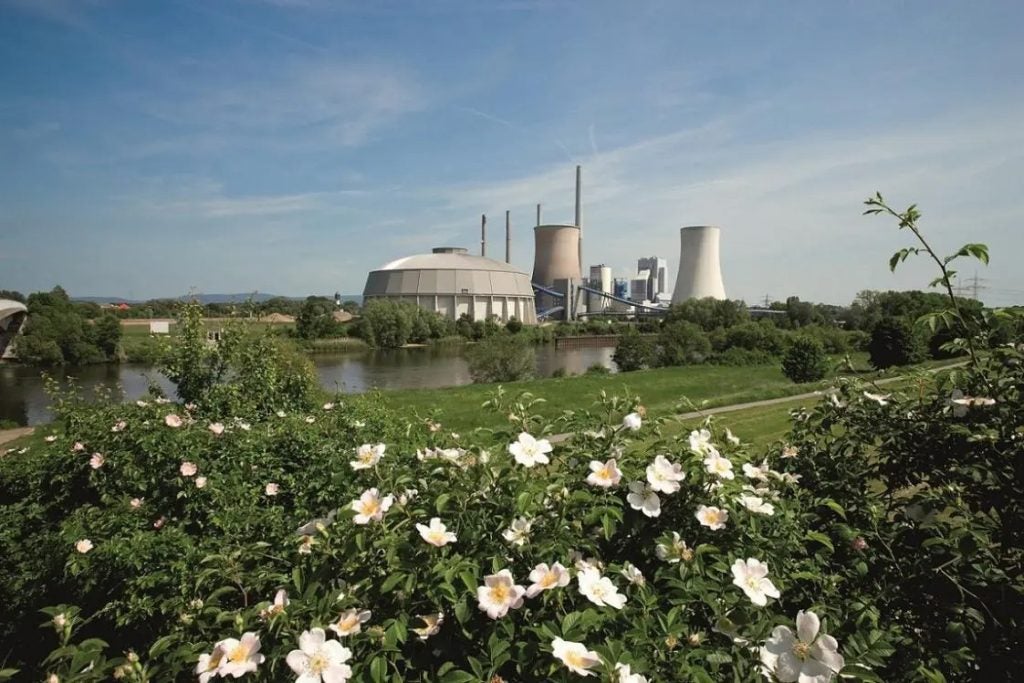
During the preliminary approval process, Uniper says it worked with the Darmstadt regional authority to resolve key questions regarding the project’s feasibility and permissibility at an early stage and with binding effect, with the aim of minimising project risks as early as possible – before the formal permitting process is initiated.
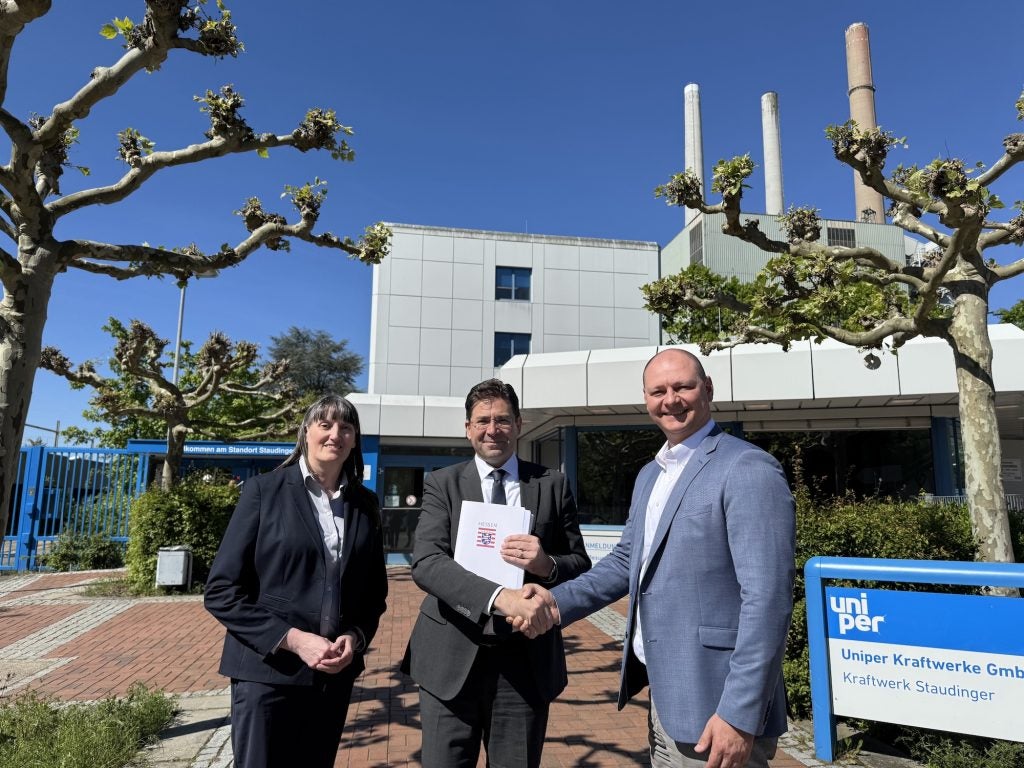
Key areas of focus included strict air pollutant emission requirements as well as complex issues related to habitat and species protection. In addition, there were challenging requirements arising from the local zoning plan. The process was co-ordinated in close collaboration with technology provider Siemens Energy.
Uniper says it is progressively transforming the Staudinger power station into a “future-ready energy hub”, with a focus on decommissioning conventional plant components that are no longer needed, modernising existing infrastructure, and preparing for new uses. In addition to Staudinger 8, these include the exploration of battery storage solutions and, in the longer term, the establishment of data centres. This transformation “draws on the deep technical expertise and operational experience at the site,” says Uniper.
Two legacy units, Block 4 and Block 5, remain operable at Staudinger and are designated as “system-relevant” until 2031 to safeguard regional power reliability. Block 4 is a 622 MWe gas fired unit commissioned in 1977, held in reserve by TenneT for system stabilisation. Block 5, 510 MWe, commissioned in 1992, is a hard-coal-fired CHP plant able to provide both electricity and local district heating.


