
The ability to generate, distribute, and secure clean, reliable electricity is now shaping everything from economic competitiveness and climate outcomes to geopolitical influence. The stakes are high, timelines are tight, and the outcomes will shape the world for generations to come. Yet this race is not being run on a level track. Each country is navigating its own set of challenges. While Canada faces scrutiny over Indigenous rights and environmental protections, the US must overcome political gridlock and ageing infrastructure. In the UK, energy affordability and grid modernisation are dominating priorities. The UK is betting big on offshore wind and small modular reactors, aiming to decarbonise its grid and reduce reliance on imported fuels.
Three landmark developments will define the winning strategy:
1. The IoT utility grid employing ultra smart meters where consumers and suppliers and demand meet
As we move further into the 21st century, the integration of IoT (Internet of Things) into utility grids is set to revolutionise the energy sector. Already, microgrids and decentralisation are becoming the norm and localised energy systems are enhancing resilience and enabling peer-to-peer energy trading. The integration of IoT is set to take this one step further, creating smart grids.
Driven by rising energy demand, electrification, expansion of renewables, government initiatives aimed at grid modernisation, the need for grid resilience and reduced transmission losses, and regulatory pressure for sustainability and efficiency — the introduction of IoT is more than just a technological upgrade, it’s a transformation that will redefine how we generate, distribute, and consume power.
It’s a market poised for significant growth, with the global smart grid market expected to grow from $73.3 billion in 2024 to 269.5 billion by 2033, at a CAGR of 15.6%. IoT in utilities reached $40.87 billion by the end of 2025, growing at a CAGR of 11.3% to 2033.
Overcoming the challenges before the benefits can be realised
The road to IoT led utility grids holds its own set of challenges. Policy fragmentation and regulatory uncertainty remain significant barriers in some regions. Workforce shortages in technical and data science roles may also slow implementation and cybersecurity is a growing concern as grid operations become increasingly digital.
However, these challenges also present opportunities. Through advanced metering infrastructure (AMI), an integrated, fixed-network system that allows two-way communication on both the utility and customer sides of the meter, customers are encouraged to manage energy more efficiently, with integrated billing and real-time usage data. Consisting of home area networks, in-home displays, energy management systems, smart meters, communications networks, and data management systems, AMI has become a key component of IoT led grids. Beyond this, AI and IoT are enabling real-time load forecasting, predictive outage prevention, and automated diagnostics, making grid operations more efficient and reliable.
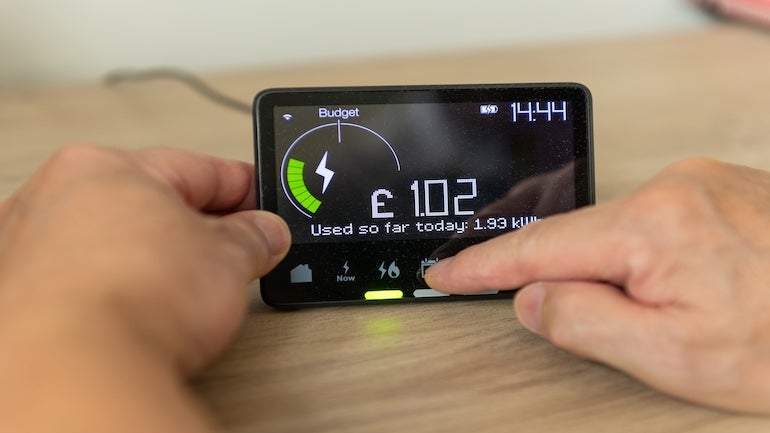
AI, IoT and automation: the backbone of smart grids
A successful transformation requires a holistic approach to end-to-end asset lifecycle management that spans traditional generation, transmission, distribution and decentralised energy resources (DER).
Several key technologies are driving the transformation of utility grids. Grid-edge software and DER integration facilitate decentralised control, predictive maintenance, and consumer participation in energy markets. Vehicle-to-grid (V2G) technology is expected to see exponential growth post 2028, with electric vehicles supplying power back to the grid during peak demand.
2. Accelerating the clean energy transition with small modular reactors
As the world hurries toward net-zero emissions, the energy sector faces a daunting challenge: how to replace fossil fuels with scalable, reliable, and clean alternatives. Enter small modular reactors (SMRs), compact nuclear power plants designed to deliver firm, carbon-free energy with unprecedented flexibility and safety.

SMRs offer a path to cost-competitive, scalable, and clean baseload power, bridging the gap between intermittent renewables and ageing fossil infrastructure. SMRs could become an essential element of a resilient, decarbonised energy future.
Their promise has spurred global market growth, with the global SMR market projected to grow from $4.1 billion in 2025 to $40-50 billion by 2035. Even some big tech players are exploring how SMRs can power AI data centres with clean, reliable energy.
No race without hurdles
Despite the potential, SMRs face significant hurdles. For example, long ROI timelines require innovative funding models and safety and waste management concerns remain a issue. Supply chain immaturity and regulatory complexity are also posing challenges.
But, here to provide a digital backbone is IoT and supervisory control and data acquisition (SCADA), enabling real-time monitoring of reactor conditions and asset health, while AI-driven insights forecast equipment failures and optimise maintenance schedules. Project lifecycle management provides end-to-end visibility across engineering, procurement, construction, and commissioning phases, enhancing operational efficiency, safety, and regulatory compliance for SMR deployments.
3. Clean energy right under our feet – is geothermal power the answer?
Geothermal power is emerging from obscurity. Long overshadowed by solar and wind, geothermal energy is now poised to become a cornerstone of global electricity and heating systems. It is a renewable energy source harnessed from the thermal energy stored in rocks and fluids deep within the earth’s crust. It’s a scalable, clean, and politically viable solution to the world’s energy challenges. With the right policies, investment, and public awareness, it is poised to become a key factor in a resilient, low-carbon grid. According to the International Energy Agency, geothermal could technically meet humanity’s electricity needs 140 times over.
What’s the catch?
The promise of geothermal is huge, but its high upfront costs, long development timelines, and permitting complexity, especially in environmentally sensitive areas, have limited investor appetite. However, costs are falling and McKinsey projects levelised costs could drop to $45-$65/MWh over the next decade, driven by drilling efficiencies, better resource mapping, and scaled equipment supply chains.
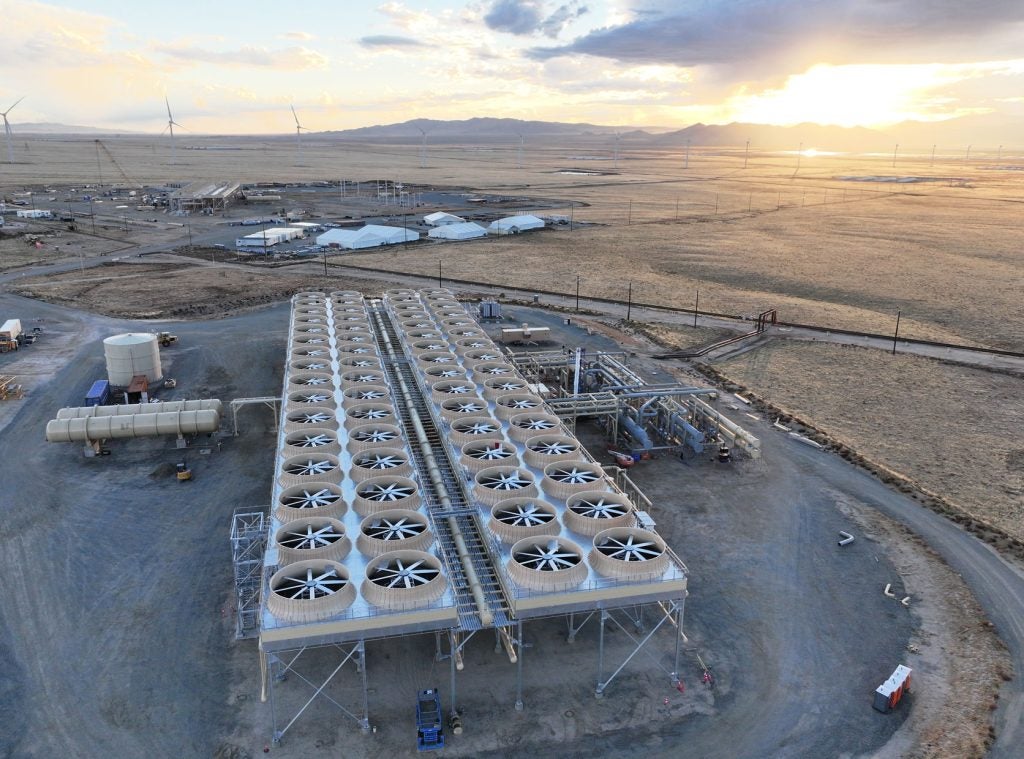
Next-generation technologies such as Enhanced Geothermal Systems (EGS) and Advanced Closed-Loop Systems (ACLs) are unlocking geothermal potential in places previously deemed unsuitable. These innovations allow developers to tap heat from deep, dry rock formations, virtually anywhere on earth. Techniques honed during the shale boom, like horizontal drilling and hydraulic fracturing, are now being repurposed to unlock clean energy from deep rock.
When paired with world-class Enterprise Asset Management (EAM) for tracking geothermal assets throughout their entire lifecycle from investment planning, through construction, operations, and ultimately decommissioning, AI can provide predictive analytics and real-time asset performance monitoring, while field service management supports field crews with inspections, maintenance, and outage response. All while tracking emissions and enabling sustainability reporting.
Turning promise into practice to lead the 2026 energy race
As IoT-enabled grids, small modular reactors, and next-generation geothermal move from promise to practice, the winners will be those who can align technology, regulation, and operational excellence. For the energy, utilities, and resources industry, 2026 will be a decisive year where investment, strategic planning, and agility will separate the laggards from the leaders.


