
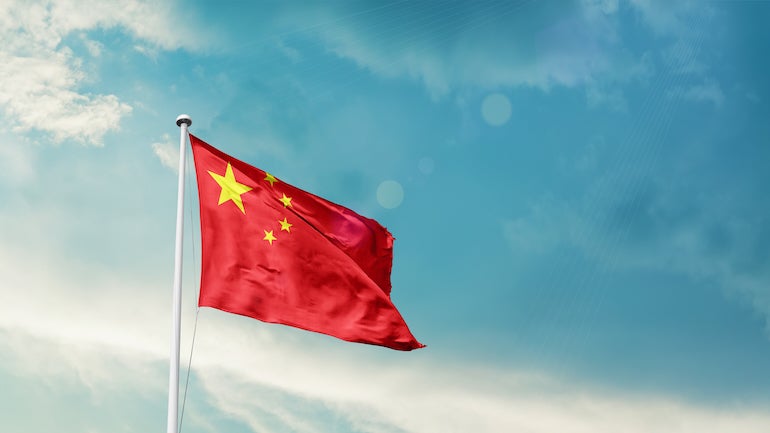
On 24 September China for the first time committed to an absolute target to cut its emissions of greenhouse gases. China is the world’s biggest emitter of these gases. In a video statement to the UN in last week’s New York meeting, president Xi Jinping said that China would reduce its greenhouse gas emissions across the economy by 7-10% by 2035, while ‘striving to do better’. China was responsible for more than a quarter of planet-warming emissions in 2023, at almost 14 bn tonnes of carbon dioxide-equivalent.
China’s pledge marks the first time that China has set actual emissions reductions targets on that path. “These targets represent China’s best efforts based on the requirements of the Paris agreement,” president Xi said. It also covers all greenhouse gases, not just carbon dioxide, and will be measured “from peak levels” of emissions – although the timing peaks was not specified.
He stated that China would expand wind and solar power capacity to more than six times 2020 levels, increase forest stocks to more than 24bn cubic metres, and make ‘new energy vehicles’ the mainstream in new vehicle sales.
This announcement is a strong contrast with US policy. The US is rolling back on its commitments under previous presidents, with president Trump calling climate change a ‘con job’.
Some critics said China’s plan did not go as far as hoped in keeping global climate goals in reach. “Even for those with tempered expectations, what’s presented today still falls short,” said Yao Zhe, global policy adviser at Greenpeace East Asia.
According to analysis by Earth System Science data, the average global air temperature has risen steadily since pre-industrial times. It reached 0.25 deg C in 1975, but has been rising much more quickly since then and has now reached 1.5 degC.
COP meeting
With the next meeting of global leaders scheduled for the UN’s Conference of the Parties COP30, in Brazil in November, the UN meeting in New York has extra relevance because countries are running out of time to submit their new climate plans, which were to be presented by the end of September. These pledges – submitted every five years – are a key part of the Paris climate agreement, the landmark deal in which nearly 200 countries agreed steps to try to limit global warming.
Speaking before the meeting UN secretary-general António Guterres said the pledges were critical to keep the long-term rise in global temperatures under 1.5C, as agreed in Paris.
“We absolutely need … climate action plans that are fully aligned with 1.5 degrees, that cover the whole of their economies and the whole of their greenhouse gas emissions,” he said. “It is essential that we have a drastic reduction of emissions in the next few years if you want to keep the 1.5 degrees C limit alive.”


