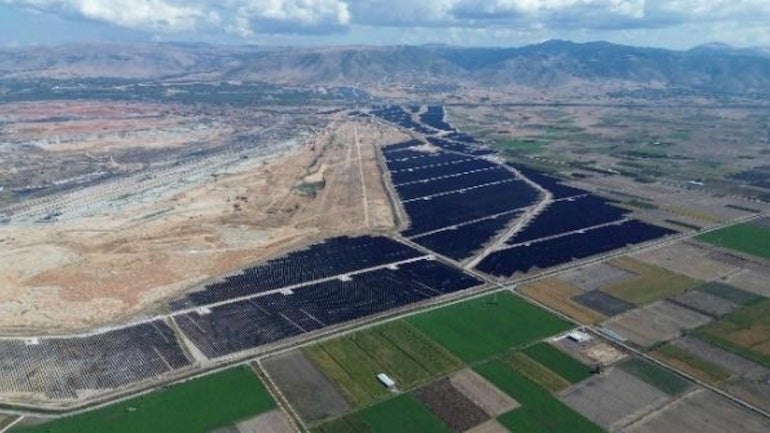
Greek utility PPC Group has completed construction of a 2.13 GW cluster of solar farms in Western Macedonia, northern Greece, turning old lignite mine sites into Europe’s biggest PV hub. The plants, with a total capacity of 2130 MW, include the 550 MW Phoebe near Pontokomi, 940 MW Amyntaio complex with RWE, and others like Helios Velos 1, Exochi 7, and Akrini, and are capable of generating 3,150 GWh annually. This corresponds to almost 6% of the country’s annual grid demand, displacing over 1.5 million tonnes of CO2 emissions each year.
This milestone caps a seven-year push that dropped thermal power’s grid share from 67% to 50%. The drive repurposes scarred mine lands in areas like Amyntaio, Ptolemaida, and Filotas, avoiding fresh land grabs and tapping already available infrastructure.
PPC Renewables, the group’s green arm, has paired the arrays with battery storage: two BESS units totalling 98 MW/196 MWh now stand ready at Ptolemaida and Meliti, while a 50 MW/200 MWh electrochemical station advances at Amyntaio, and pumped hydro approvals secure 320 MW at Kardia plus 240 MW at South Field.
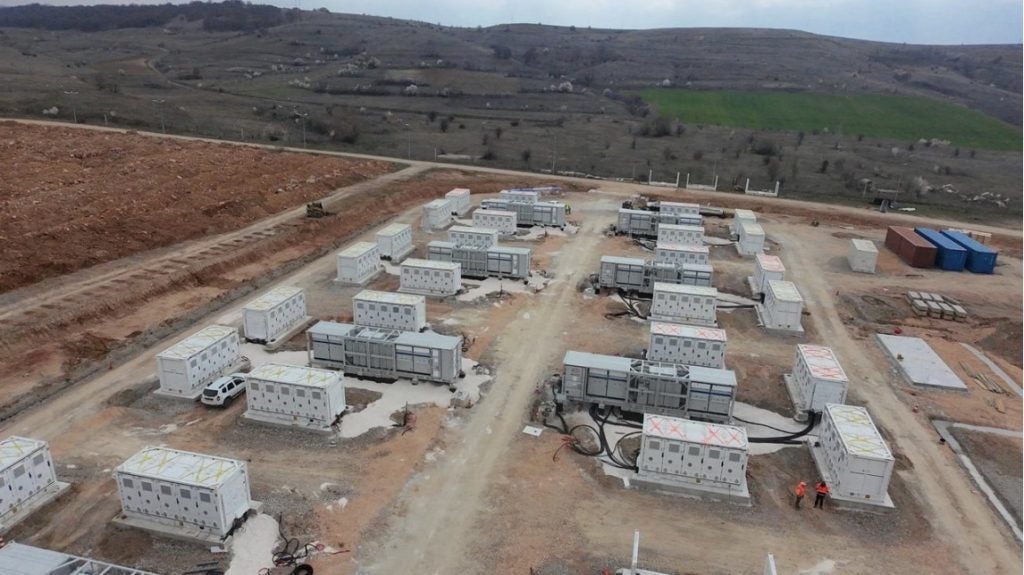
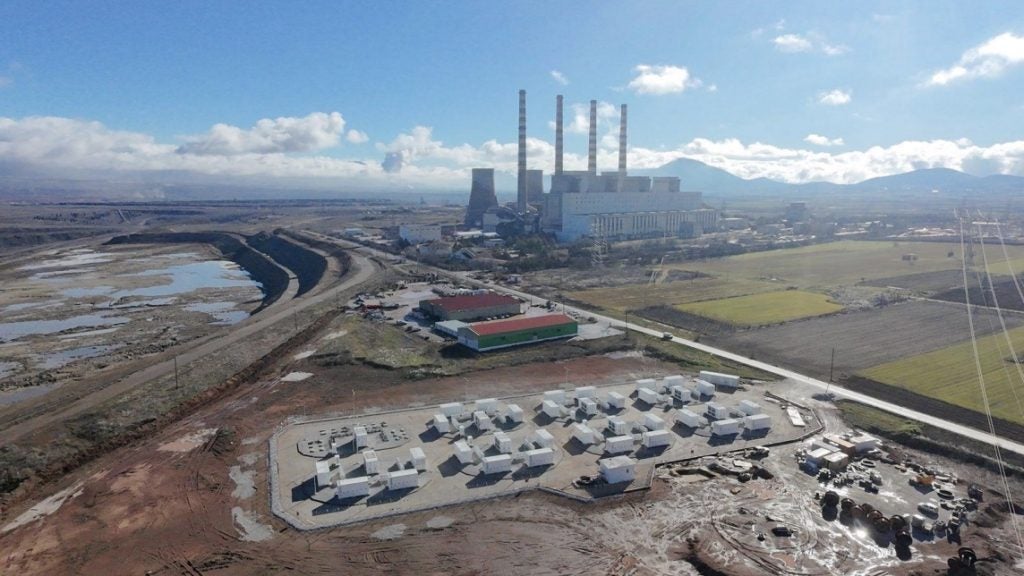
Above: Battery array at Meliti I (left) and Ptolemaida IV (right) (Credit: PPC Group)
Deputy CEO for renewables Konstantinos Mavros called it a “success case study” for energy independence amid global chaos, shining a light on Greece’s energy transition and providing grid stability.
As solar surges, these storage layers will smooth intermittency, bolstering the Balkans’ renewables backbone without the hype of unchecked growth.


